
Best Family-Friendly Beaches in Cornwall for Summer Days
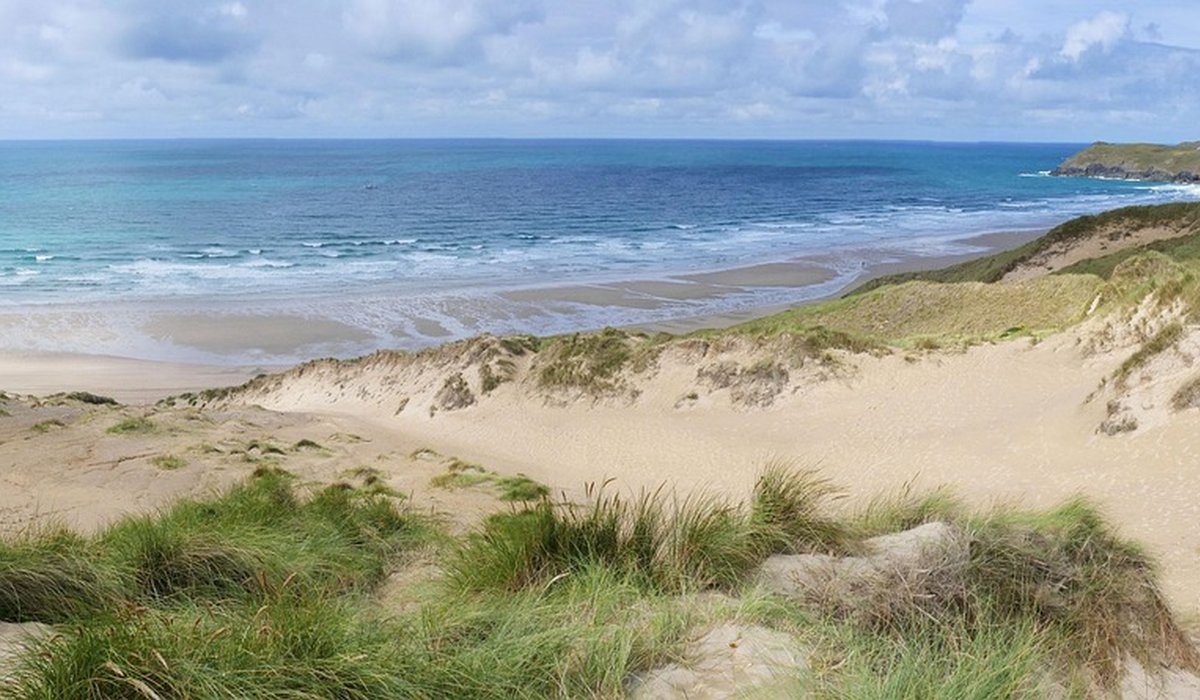
Cornwall packs an extraordinary variety of coastline into a relatively small county, and that works in families' favour. You can choose a sheltered, south-facing cove when the wind is blowing from the north-west, or head to a big Atlantic-facing beach when the weather is calm and the surf is gentle. Most of the beaches below have lifeguard cover through the summer season, easy access from a car park, and somewhere within a short walk to buy an ice cream or a pasty when energy levels dip.
Why Cornwall Works So Well for Families
Three things make the difference. First, the sheer number of beaches means you are rarely stuck with a bad choice on a windy day. Second, the tidal range here is dramatic, so a small cove at high tide can transform into a vast expanse of sand by mid-afternoon, complete with pools, channels and shallow lagoons that are ideal for young children.
Third, there is genuine choice in the type of beach. If you want bucket-and-spade sand, calm water and a café within sight of your towel, that exists. If you have older children who want to bodyboard or try a surf lesson, that exists too, often twenty minutes down the road.
Sheltered Coves on the South Coast
The south coast tends to be calmer, and the water is often a degree or two warmer than the north. It is the better bet when there has been a run of westerly or north-westerly winds.
- Gyllyngvase and Swanpool, Falmouth — both have gently sloping sand, lifeguard patrols in peak season and cafés close by. Swanpool sits beside a small brackish lagoon, which is a good spot for a short nature walk with a buggy.
- Maenporth — a short drive from Falmouth, with a sheltered bay that is popular for paddleboarding and rock pooling at the western end.
- Readymoney Cove, Fowey — small, tucked beneath wooded cliffs and well protected. There is no lifeguard cover, so it suits paddling and sandcastles rather than swimming, and it can be crowded at high tide in August.
- Pentewan and Porthpean, near St Austell — long, gentle shelves into shallow water, plenty of sand at low tide and easy parking. Arrive before 10am in high summer if you want a space.
Big Sands and Surf on the North Coast
The north coast is wilder, with more swell and more space. If your children are confident in the water and you want that classic wide-open Cornish beach, head north.
- Polzeath — a broad, shallow beach that is excellent for beginners on bodyboards. Lifeguards patrol through the summer, and the water stays shallow a long way out. Rock pools cluster at the northern end.
- Daymer Bay — just around the corner, this is one of the most sheltered spots on the north coast, set at the mouth of the Camel Estuary. The sand is fine, the dunes are perfect for exploring, and the water is usually calm.
- Treyarnon Bay — a favourite for a reason. At low tide a natural swimming pool forms in the rocks at the southern end, effectively a free, shallow, warm-ish pool for children.
- Porth, Newquay — quieter than nearby Fistral, with a sheltered, gently shelving beach and a large expanse of sand at low tide.
- Crantock — backed by dunes and protected by the Pentire headland, with the Gannel estuary nearby for a flat, easy walk.
Rock Pools, Caves and Low-Tide Exploring
Some of the best family memories in Cornwall are made when the tide goes out rather than when it comes in. Low water exposes a whole second landscape: gullies, boulders, pools and patches of wet sand that refill over the following hours.
Take a small net, a clear plastic tub and a pair of old trainers or wellies. Look under weed and overhanging ledges for crabs, prawns, anemones, limpets and small fish, and always put everything back where you found it. Trevone, Constantine Bay, Porth and Wembury-style rocky platforms around the Lizard are all rewarding. Check tide tables before you set out and start walking back as the tide turns — a rising tide can cut off coves surprisingly quickly, especially around headlands.
Practical Advice for a Stress-Free Beach Day
- Swim between the red and yellow flags. If you see a red flag alone, the water is closed. Lifeguard cover on most popular beaches runs from around Easter or May half-term to the end of September, with daily patrols in July and August.
- Check the tide times and wind direction the night before. That single decision — north coast or south — often makes or breaks the day.
- Park early. Beach car parks in Cornwall fill up from about 9.30am in peak season, and many are pay-and-display with limited phone signal.
- Remember the dog rules. Many beaches ban dogs between Easter and October, and the dates vary from beach to beach, so check the local notice board.
- Pack for four seasons. A windbreak, a spare layer, sun cream, hats and plenty of water. The sun reflects off wet sand, and children burn faster than you expect on a breezy, cloudy day.
- Take cash for small car parks and honesty boxes, and a bag for rubbish — bins are not always provided on quieter coves.
Making the Most of Your Beach Days
Build your holiday around flexibility rather than a fixed plan. Pick two or three beaches within a half-hour drive of where you are staying, learn their tide patterns, and be willing to swap one for another depending on the weather. A morning at a big north coast beach followed by a late-afternoon paddle in a sheltered south coast cove is a very Cornish sort of day, and children tend to remember the rock pools and the ice cream just as much as the waves.

4 Comments